
Genetic and Congenital Disorders
Case Definition
What Are Genetic and Congenital Disorders?
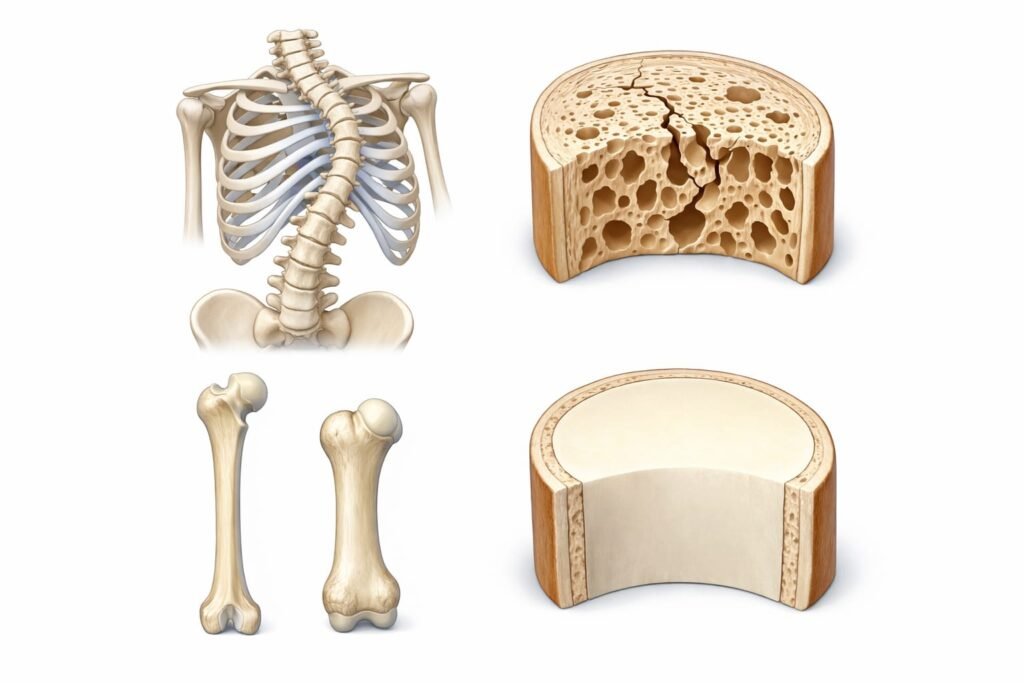
Genetic and congenital disorders are conditions that occur due to changes in genes or problems during fetal development, leading to deformities or disturbances in growth or body functions. These disorders can affect bones, muscles, joints, or other organs in the body.
Symptoms:
- Visible deformities in bones or limbs
- Differences in height or size compared to peers
- Movement or joint problems
- Occasional disturbances in organ growth or vital functions
- Delayed physical or mental development in some cases
Causes:
- Inherited genetic mutations
- Abnormal fetal development during pregnancy
- Environmental or nutritional factors affecting fetal formation
- Inherited disorders from parents
Diagnosis:
- Comprehensive medical examination at birth or during growth stages
- X-rays and MRI to evaluate bones and joints
- Genetic testing to identify mutations
- Regular monitoring of physical and mental development
Treatment:
- Physical therapy and exercises to strengthen muscles and improve mobility
- Medications or supplements when needed (e.g., vitamin or hormone deficiencies)
- Surgery to correct severe bone or joint deformities
- Continuous follow-up to ensure normal growth and body functions
Doctor’s Advice:
Early detection, accurate diagnosis, and regular medical follow-up help manage genetic and congenital disorders effectively and improve patients’ quality of life.
Frequently Asked Questions About Genetic and Congenital Disorders
We fully understand the importance of having all the necessary information to make informed decisions about your health. Therefore, we have compiled the most common questions regarding orthopedic genetic and congenital conditions and provided clear and reliable answers. We hope this section helps you gain a better understanding of the condition.
Not necessarily; some genetic disorders may appear later during childhood or even in adolescence, depending on the type of mutation or affected gene.
Some risks can be reduced through regular prenatal care, proper nutrition, and early medical screenings. However, certain genetic disorders cannot be prevented.
Treatment depends on the type and severity of the disorder. It generally aims to improve quality of life, mobility, and reduce complications.
Register Your Interest! Fill out the form easily.
Contact Us Now
We are always here to assist you with everything related to the health of your bones and joints. Whether you want to book an appointment, have a question about a specific medical condition, or need clarification about our services, our team is ready to answer all your inquiries. Don’t hesitate to contact us by phone or email, or visit us at the clinic during working hours. Your health is our priority, and we look forward to providing you with the care you deserve.